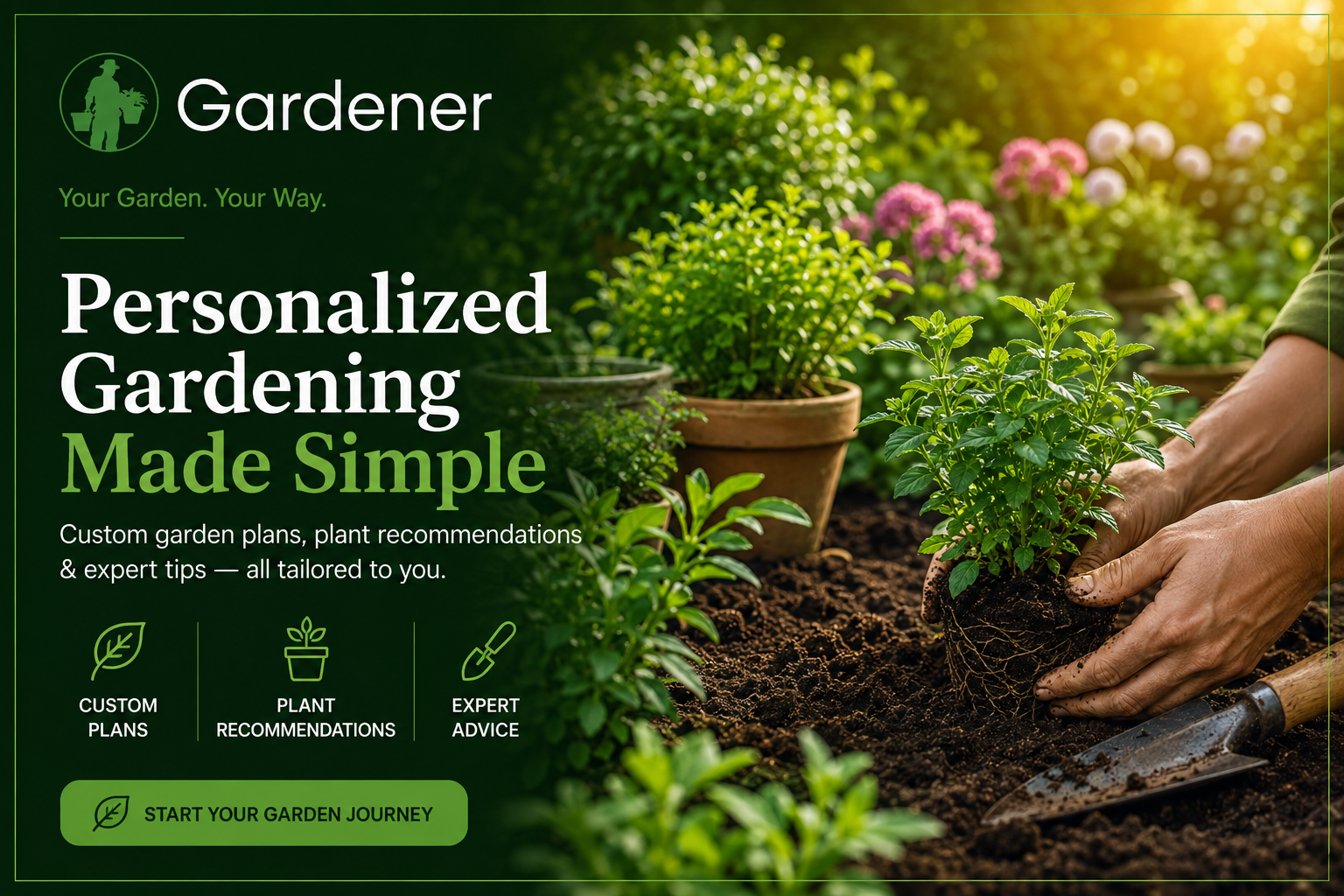
Every home tells a story, but the land surrounding it often speaks the loudest. A standard lawn with a few randomly placed bushes can look neat, but it rarely reflects the personality, lifestyle, or unique aesthetic of the homeowner. This is where personalized gardening transforms ordinary yard work into a meaningful art form. Tailoring an outdoor environment to your specific climate, taste, and lifestyle creates a living extension of your indoor sanctuary. Whether you desire a serene sanctuary for relaxation, an energetic hub for weekend entertaining, or a vibrant patch for growing organic vegetables, custom landscaping aligns nature with your personal vision.
Transforming a outdoor space begins with understanding that a great garden is never one-size-fits-all. Every yard features a distinct microclimate shaped by sunlight exposure, soil composition, wind patterns, and drainage capacity. By moving away from generic lawn routines and embracing tailored design practices, you can create a resilient, beautiful landscape that thrives season after season while requiring less maintenance and fewer chemical interventions.
Assessing Your Soil and Local Ecosystem
Before planting a single seed or installing hardscape elements, it is essential to look beneath the surface. Soil is the foundational engine of every thriving garden, and its composition determines which plants will flourish and which will struggle. Conducting a simple soil test reveals vital information, including pH levels, nutrient density, and soil texture, such as sandy, clay, or loam. Tailoring your soil preparation based on these results saves time, money, and frustration down the road. Adding high-quality organic matter, such as compost or leaf mold, improves drainage in dense clay soils and helps sandy soils retain crucial moisture.
In addition to analyzing the soil, understanding your localized environment is critical. Pay attention to how light moves across your property throughout the day. A location that receives intense direct sunlight for six hours requires completely different plant varieties than a shaded courtyard tucked beneath mature trees. Recognizing low-lying areas that collect rainwater allows you to plan for rain gardens or moisture-loving plants, turning potential drainage challenges into eye-catching ecological features.
Selecting Plants That Reflect Your Personal Style
Plant selection is the stage where individual taste meets practical science. The goal of a custom landscape is to build layers of visual interest using varying heights, textures, and color schemes that reflect your artistic taste. Choosing native perennial plants is one of the most effective ways to build a strong foundation. Native plants have naturally adapted to your regional climate and local soil conditions over centuries. As a result, they require less supplemental watering, minimal fertilizer, and offer natural resistance to local pests, while attracting beneficial pollinators like bees, butterflies, and songbirds.
To create visual balance, combine steady structural elements with dynamic seasonal features. Evergreen shrubs provide reliable greenery and shape throughout the colder winter months. Deciduous trees offer shade during warm summers and vibrant foliage displays in the autumn. Interspersing flowering perennials and ornamental grasses adds movement, texture, and shifting color palettes as the seasons transition. By thoughtfully arranging plants based on their mature size and bloom cycles, you ensure year-round vitality in your outdoor environment.
Incorporating Hardscapes and Functional Zones
A personalized garden should extend beyond visual aesthetics; it must also serve practical daily functions. Defining distinct zones within your outdoor area maximizes its utility and transforms your yard into a multi-dimensional living space. Hardscaping elements such as stone pathways, gravel walkways, wooden decks, and retaining walls build clear physical structures that guide movement and organize the space logically.
Consider how you intend to use your yard on a regular basis. If you enjoy hosting family gatherings, prioritize a spacious patio with comfortable seating, ambient outdoor lighting, and an adjacent cooking or dining area. If your primary goal is peace and personal reflection, design a quiet reading corner enclosed by tall ornamental hedges, aromatic herbs like lavender, and a soothing water fountain to mask neighborhood background noise. Integrating designated raised beds for vegetables, culinary herbs, or cut flowers provides a dedicated area for productive gardening without cluttering your main lawn design.
Sustainable Practices for Long-Term Beauty
Building a personal garden is an ongoing process that benefits greatly from environmentally conscious practices. Sustainable gardening methods ensure that your landscape remains healthy and vibrant without placing unnecessary demands on natural resources or your personal budget. Implementing smart water conservation strategies, such as drip irrigation systems or rain barrels, delivers water directly to plant root zones, minimizing evaporation loss and preventing common fungal foliage diseases.
Mulching is another simple yet highly effective maintenance practice. Applying a two to three-inch layer of organic mulch around trees, shrubs, and flower beds insulates plant roots against extreme temperature fluctuations, conserves soil moisture, and naturally suppresses weed growth. Over time, as the organic mulch breaks down, it enriches the soil structure with essential nutrients. Embracing organic pest management and encouraging natural predatory insects, such as ladybugs, protects your garden ecosystem without relying on harsh chemical pesticides.
Embracing the Evolution of Your Outdoor Sanctuary
A truly customized landscape is never completely static. It grows, adapts, and evolves alongside the changing seasons and shifting needs of your household. Embracing this dynamic nature allows you to develop a deeper connection with the natural world right outside your doorstep. Regular observation, subtle pruning, seasonal soil nourishment, and occasional plant additions keep the creative process alive throughout the year.
By taking a thoughtful, customized approach to your lawn and garden care, you build more than just an attractive home exterior. You construct a biological environment tailored specifically to your lifestyle—a space that brings daily tranquility, enhances property value, supports local wildlife, and delivers lasting joy for years to come.